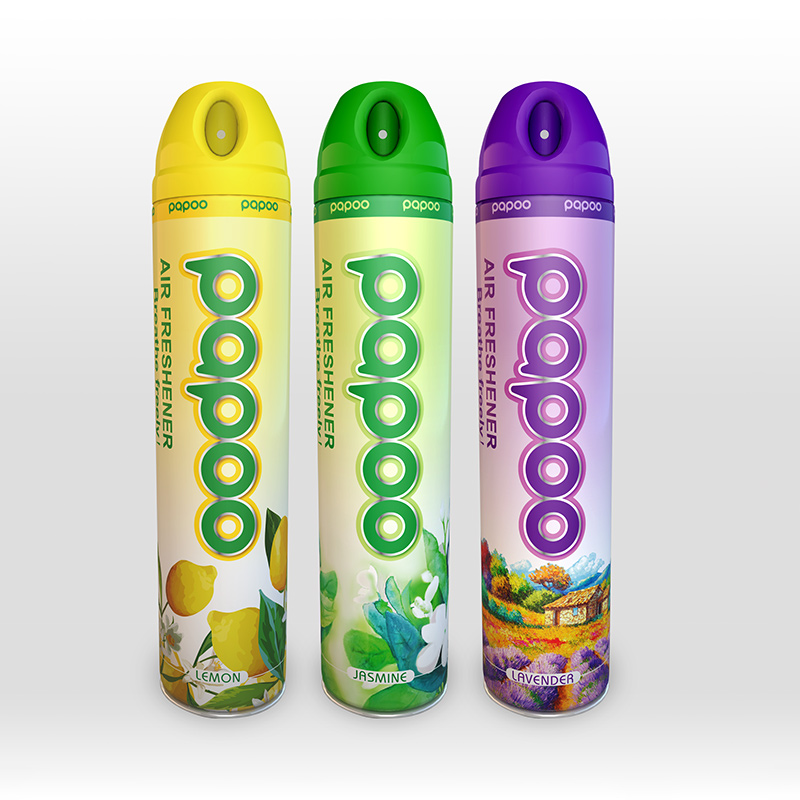

Introduction: The Dangers of Room Fresheners for Pets
In recent years, concerns have arisen regarding the safety of room fresheners in homes with pets. These concerns stem from the ingredients used in these products, which can pose significant health risks to our furry, feathered, and scaled companions. Understanding the chemistry behind these products and their potential impact on pets is crucial for responsible pet ownership.
Understanding Volatile Organic Compounds (VOCs)
What Are VOCs?
Volatile Organic Compounds (VOCs) are organic chemicals with high vapor pressure at room temperature. This characteristic allows them to evaporate easily into the air, a key functionality in many room fresheners. However, this same property makes them potentially hazardous, as they can be inhaled or absorbed by living organisms, including pets.
Common VOCs in Air Fresheners
Common VOCs found in air fresheners include formaldehyde, benzene, and acetone. These substances can be released into the home environment, contributing to indoor air pollution. The concentration of VOCs in a typical household can be two to five times higher than outdoors, posing a greater risk to pets that spend most of their time indoors.
Potential Health Effects on Pets
Respiratory Issues
Pets, particularly those with pre-existing conditions such as asthma, can experience exacerbated respiratory issues due to prolonged exposure to VOCs. Symptoms may include coughing, wheezing, and labored breathing.
Neurological and Behavioral Changes
Exposure to certain chemicals in air fresheners can lead to neurological issues in pets, including seizures, dizziness, or lethargy. Behavioral changes such as restlessness or decreased appetite might also indicate adverse reactions.
Specific Risks for Different Types of Pets
Cats and Toxicity Concerns
Cats are particularly sensitive to many essential oils and VOCs present in air fresheners. Their liver lacks certain enzymes necessary to metabolize these compounds, increasing the risk of toxicity.
Birds and Airborne Toxins
Birds have highly efficient respiratory systems, making them extremely sensitive to airborne toxins. Even low levels of VOCs and essential oils can be harmful or fatal to them.
Small Mammals and Reptiles
Small mammals and reptiles can also be affected by VOCs due to their size and proximity to the ground, where these compounds can settle. Symptoms in these animals might include skin irritation or difficulty breathing.
The Role of Essential Oils in Air Fresheners
Benefits and Risks
While essential oils are marketed as natural alternatives, they are not inherently safe for pets. They are also volatile and can cause similar health concerns as synthetic VOCs.
Specific Oils to Avoid
Peppermint, tea tree, and citrus oils are particularly harmful to pets, especially cats. If essential oils are used, they should be placed out of reach and used in well-ventilated areas.
Case Studies and Anecdotal Evidence
Real-Life Incidents
Numerous pet owners have reported adverse health effects in their pets following exposure to room fresheners. For instance, cases of seizures in cats and respiratory distress in birds have been linked to the use of these products.
Statistical Data
According to veterinary health organizations, over 30% of reported household toxin exposures in pets involve cleaning products and air fresheners, highlighting the need for caution.
Alternatives to Chemical Air Fresheners
Natural Ventilation
One of the simplest solutions to improve indoor air quality is regular ventilation. Opening windows for at least 10-15 minutes daily can significantly reduce indoor pollutants.
Homemade Alternatives
Vinegar, baking soda, and lemon are effective natural odor absorbers. Creating homemade sprays using these ingredients can reduce reliance on commercial fresheners.
Precautionary Measures for Pet Owners
Safe Usage Guidelines
If air fresheners are necessary, use them sparingly and according to manufacturer instructions. Keep pets out of rooms where these products are applied until the area is ventilated.
Choosing Pet-Friendly Products
When purchasing air fresheners, seek products labeled as pet-safe or approved by veterinary associations. Consult with a veterinarian if unsure about a specific product's safety.
Importance of Research and Awareness
Staying Informed
Pet owners should stay informed about product ingredients and their potential effects. Resources such as the ASPCA's Poison Control Center can provide valuable information.
Communicating with Manufacturers and Suppliers
Engaging with manufacturers, suppliers, and wholesale distributors can pressure them to prioritize pet safety in product formulations.
Conclusion: Prioritizing Pet Safety and Wellbeing
Keeping pets safe involves understanding the potential risks associated with room fresheners and making informed choices. By opting for natural alternatives and exercising caution with chemical products, pet owners can create a safer home environment for their beloved companions.
Chief Provide Solutions
To minimize risks, opt for air purifiers instead of chemical fresheners. Ensure homes are well-ventilated and regularly cleaned to reduce odors without relying on potentially harmful substances. Consult with veterinarians for advice on pet-safe products, and utilize online resources to verify the safety of household items. By maintaining a vigilant approach, pet owners can ensure their homes remain safe and welcoming for their pets.