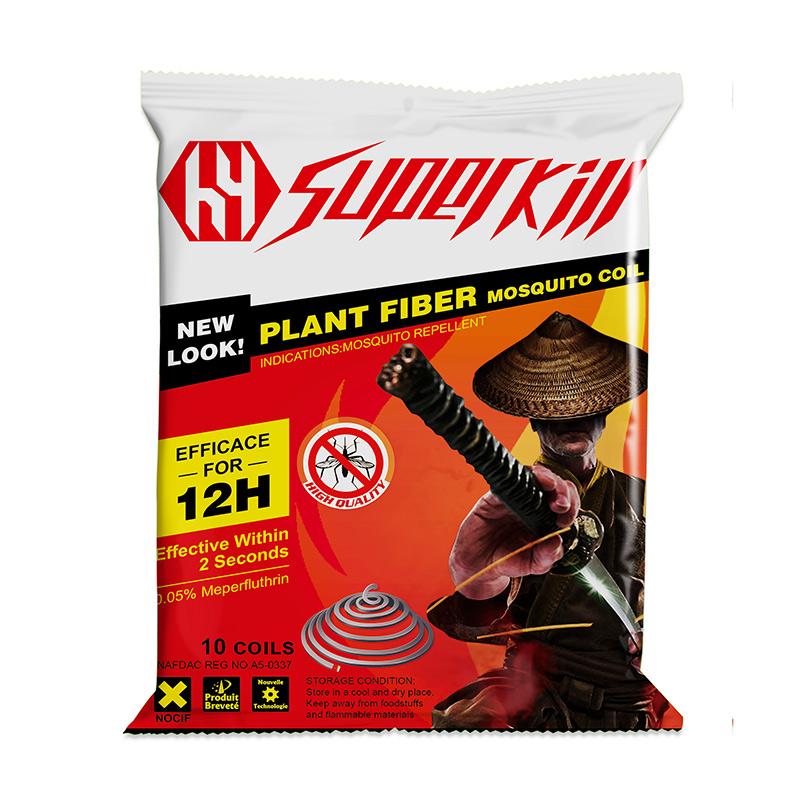

Understanding the Mosquito Coil Market
The global mosquito coil market is characterized by a wide variety of products aimed at repelling mosquitoes effectively. This market has seen steady growth due to the increasing awareness of mosquito-borne diseases and the demand for affordable and efficient mosquito repellents. To find reliable suppliers, it is important to understand the market dynamics, including the types of mosquito coils available, their features, and their market segments.
Market Size and Growth
The market for mosquito coils is substantial, with an estimated global market size of over 500 million units annually. The market is expected to grow at a compound annual growth rate (CAGR) of 4% over the next five years, driven by rising health concerns and the need for effective mosquito control solutions. Key markets include Asia, Africa, and Latin America, where mosquito-borne diseases are prevalent.
Key Considerations for Selecting Suppliers
Choosing the right mosquito coil supplier involves careful consideration of multiple factors. These factors determine not only the quality of the products but also the reliability and reputation of the supplier.
Quality of Products
When selecting a supplier, prioritize the quality of the mosquito coils. High-quality coils burn longer, emit minimal smoke, and have a consistent repellent effect. Look for suppliers whose products meet international safety and quality standards, such as ISO certifications.
Wholesale Pricing and Cost Implications
Wholesale pricing is a critical factor. Suppliers offering competitive pricing without compromising on quality are ideal. It is crucial to compare the cost-benefit ratios of different suppliers to ensure you are getting value for money. Consider factors like packaging size, burn time, and the number of coils per package.
Top Regions for Mosquito Coil Production
Understanding the regions where mosquito coils are predominantly manufactured can help in identifying reliable suppliers. The choice of region often affects the cost, quality, and technology used in production.
Asian Market Dominance
Asia is a leading region in the production of mosquito coils, with countries like China, India, and Indonesia at the forefront. These countries offer a wide range of mosquito coil products, benefiting from economies of scale and advanced manufacturing technologies.
Economic Factors in Production Regions
The cost of labor, raw materials, and logistical considerations in these regions often translates into competitive pricing for wholesale buyers. However, it is essential to balance cost with quality assurance to ensure effective products.
Identifying Reliable Suppliers in China
China is one of the largest exporters of mosquito coils, thanks to its robust manufacturing sector. Identifying reliable suppliers within this region can yield high-quality products at competitive prices.
Industry Certifications and Standards
Reliable suppliers in China often hold certifications that attest to their adherence to international quality and safety standards. These may include ISO certifications and other industry-specific recognitions that guarantee consistent product quality.
Supplier Network and Capacity
A strong supplier network in China can offer a range of product options and ensure a steady supply. Suppliers with large manufacturing capacities are more likely to meet the demands of bulk orders efficiently.
Evaluating Supplier Quality and Safety Standards
Ensuring that suppliers meet quality and safety standards is crucial for maintaining product integrity and consumer safety. This involves rigorous evaluation processes and ongoing quality assurance.
Quality Assurance Processes
Suppliers with well-established quality assurance processes are better equipped to deliver consistent products. Look for manufacturers who conduct regular audits, product testing, and uphold best manufacturing practices.
Safety Regulations and Compliance
Compliance with safety regulations is paramount, especially for products intended for indoor use. Verify that the suppliers adhere to local and international safety guidelines to mitigate health risks associated with mosquito coils.
Comparing Mosquito Coil Features and Benefits
Understanding the features and benefits of different mosquito coil options can guide better purchasing decisions. Consider factors like smoke emission, repellent duration, and scent variations.
Smoke and Emission Levels
Many consumers prefer mosquito coils with low smoke emission for indoor use. Suppliers often offer coils with reduced smoke levels while maintaining effectiveness. Evaluate these options based on your target market's preferences.
Duration and Coverage
The duration of protection is a key selling point. Most coils offer between 8 to 12 hours of protection. Consider suppliers that guarantee long-lasting coils, enhancing their attractiveness in the market.
Supplier Reputation and Industry Standing
A supplier's reputation and standing within the industry often reflect their reliability and commitment to quality. Research their track record in terms of product delivery and customer satisfaction.
Customer Reviews and Case Studies
Customer reviews and case studies offer insights into the supplier's performance and product quality. Positive feedback and successful case studies showcase reliability and effectiveness.
Industry Awards and Recognition
Suppliers who have received industry awards or recognition may be more trustworthy, as these accolades often highlight excellence in manufacturing and product innovation.
Price Negotiations and Contract Considerations
Engaging in effective price negotiations and understanding contract terms are crucial steps in forming successful partnerships with mosquito coil suppliers.
Negotiating Competitive Prices
Negotiating prices involves more than just discussing the cost per unit. Consider factors such as bulk discounts, payment terms, and future price adjustments. Clear communication is key to reaching favorable terms.
Contractual Agreements and Terms
Review contract terms carefully, focusing on clauses related to delivery schedules, quality assurance, and dispute resolution. A well-drafted contract helps protect both parties' interests in the business relationship.
Ensuring Consistent Supply and Timely Delivery
Securing a reliable supply chain is vital for maintaining inventory levels and meeting customer demand. This involves selecting suppliers who can deliver consistently and punctually.
Logistical Capabilities and Challenges
Evaluate the logistical capabilities of suppliers, including shipping methods, lead times, and warehousing options. Addressing these factors helps in avoiding supply chain disruptions.
Supply Chain Resilience
Suppliers with resilient supply chains are better equipped to handle unforeseen disruptions, ensuring a steady supply of mosquito coils. Consider their ability to source raw materials and adapt to changing market conditions.
Long-term Partnerships and Supplier Relationships
Building and maintaining strong relationships with suppliers can result in mutual benefits, such as innovation collaboration, improved pricing, and reliable service.
Building Trust and Communication
Trust is key in any business relationship. Regular communication and transparency foster trust, leading to stronger partnerships and better outcomes for both parties.
Collaborative Development and Growth
Long-term partnerships can lead to collaborative development opportunities, such as co-developing new products or improving existing ones. This collaboration can drive growth and innovation within both companies.
Chief Provide Solutions
Finding a reliable mosquito coil supplier involves researching market dynamics, assessing quality and safety standards, and forming strategic partnerships. Key solutions include prioritizing suppliers with proven quality assurance processes, negotiating favorable contract terms, and focusing on long-term relationships to ensure consistent supply and innovation. These steps help secure high-quality, cost-effective mosquito coils that meet consumer needs and market demands.
User hot search: Mosquito Paper Coil