



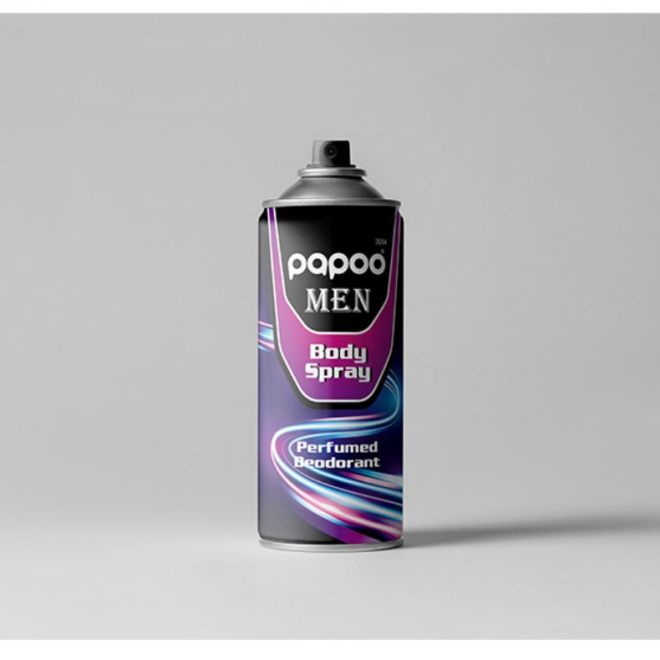
Your brain hurts from chasing every new germicide spray trend, while reports scream “market disruption” louder than your phone’s alarm. You just want clean surfaces, safe choices, and maybe enough data to sound smart in the next budget meeting.
Relax. This 2026 Market Outlook breaks down pricing, growth, and tech shifts so you can choose sprays that work and won’t wreck your margins. Cross-check our findings with the WHO disinfectant guidelines to align product picks with real-world safety standards.
1. 🧪 Global regulatory trends reshaping germicide spray formulations and compliance standards 2026
By 2026, global rules will push germicide spray makers toward safer, low-residue formulas, clearer labels, and stronger proof of real-world disinfection performance.
Brands that adapt quickly to changing rules will protect market access, reduce recall risk, and build trust with healthcare, household, and industrial buyers.
1.1 Tightening active-ingredient approvals in key regions
Regulators in the US, EU, and Asia now ask for more toxicology and environmental data. This slows new approvals but raises overall product quality and safety.
- Stricter biocide and pesticide reviews
- Limits on VOC emissions and harsh solvents
- Preference for low-odor, low-corrosion systems
1.2 Label transparency and efficacy claims
Authorities demand clear, tested claims such as “kills 99.9% of bacteria” tied to standard lab methods, not broad or vague marketing promises.
- Standardized test protocols (EN, ASTM)
- Visible contact time and usage instructions
- Disclosure of key actives and safety icons
1.3 Sustainability and packaging compliance
Eco rules encourage recyclable metal cans, low-impact propellants, and clean formulations that reduce waste and support circular packaging programs.
| Focus Area | Regulatory Direction |
|---|---|
| Propellants | Lower GWP, reduced VOCs |
| Cans | Recyclable steel or aluminum |
| Labels | Hazard icons and safe-use text |
1.4 Cross-border alignment and certification
Global brands aim to harmonize formulas so one core spray can pass approvals in many markets with minimal local changes.
- Adoption of global test standards
- Unified documentation packages
- Shared safety data sheets and barcodes
2. 🌍 Post-pandemic hygiene culture driving long-term demand for germicide spray solutions
Habit changes after COVID-19 keep demand for fast, convenient germicide sprays strong in homes, travel, healthcare, and public venues through 2026.
Users now expect visible hygiene, quick disinfection, and pleasant scent profiles that match air care and grooming routines.
2.1 Rising household and personal-use scenarios
Families use germicide sprays on high-touch surfaces, shared devices, and fabrics, often alongside grooming products like PAPOO MEN Shaving Foam to build a full bathroom hygiene system.
- Remote work zones and desks
- Children’s rooms and toys
- Shared bathrooms and kitchens
2.2 Commercial and public-space hygiene programs
Hotels, gyms, and transport hubs rely on spray systems for fast turnaround and visible cleaning routines that reassure guests and passengers.
- Frequent cleaning of touchpoints
- Standardized staff protocols
- Branded hygiene stations
2.3 Data snapshot: regional demand outlook to 2026
The chart below shows a sample forecast of germicide spray demand index by region, highlighting steady growth as hygiene habits normalize at higher levels.
2.4 Synergy with air care and adhesive products
Home users often bundle germicide sprays with air care and repair items such as Refreshing home car washing room papoo air Freshener spray and anti-broken papoo home use adhesive super glue(gel 3.5).
- Clean–repair–refresh usage bundles
- Cross-category promotions in stores
- Stronger brand loyalty at home
3. 🏭 Technological innovations improving germicide spray efficacy, safety, and environmental performance
New actives, smart valves, and greener propellants help makers deliver fast kill rates while protecting users, surfaces, and the environment.
These advances reduce waste, cut odor, and improve coverage, giving brands clear technical stories for 2026 product launches.
3.1 Next-generation active systems
Formulators combine alcohols, quats, and emerging biobased actives to widen the kill spectrum while keeping skin and surface safety high.
| Active Type | Key Benefit |
|---|---|
| Alcohol blends | Very fast action |
| QAC systems | Longer residual effect |
| Biobased actives | Lower eco impact |
3.2 Advanced spray hardware and dosing
Improved valves, actuators, and nozzle design create fine, even mist that reduces run-off, improves coverage, and controls product use per application.
- Consistent droplet size
- Lower overspray and waste
- Better user grip and ergonomics
3.3 Eco-friendly propellants and solvents
Producers switch to low-GWP propellants and milder solvents that still dissolve actives well but lower odor, VOCs, and flammability risks.
- Compliance with climate goals
- Safer transport and storage
- Cleaner indoor air quality
4. 📈 Market segmentation by application scenarios and growth opportunities for Chief products
Demand splits across home care, professional cleaning, automotive, and light industry, creating clear spaces for targeted germicide spray portfolios.
Chief can match each segment with tailored actives, scent, and packaging that fit user routines and price points.
4.1 Household and lifestyle segment
Families look for multi-surface sprays that disinfect kitchens, bathrooms, and personal items, with gentle scent and simple instructions.
| Use Case | Product Focus |
|---|---|
| Kitchen | Food-contact awareness |
| Bathroom | Anti-mold and odor control |
| Living room | Fabric-safe mist |
4.2 Professional and facility cleaning
Hospitals, offices, and schools need high-efficacy, certified sprays that fit standardized cleaning cycles and audited hygiene programs.
- Bulk packaging options
- Clear compliance documents
- Training and usage guides
4.3 Automotive, workshop, and DIY care
Car owners and DIY users need strong yet surface-safe sprays for interiors, tools, and worktops, often paired with repair and air care products.
- Dashboard and steering disinfection
- Tool and bench cleaning
- Pre-cleaning before repairs and gluing
5. 🔗 Supply chain resilience, raw material risks, and strategic planning for 2026
Volatile solvent, propellant, and metal prices force germicide spray makers to secure suppliers, redesign formulas, and manage inventory carefully.
Robust risk planning helps brands maintain stable service, protect margins, and meet changing customer needs.
5.1 Multi-sourcing and localization
Companies reduce risk by using more than one supplier for key inputs and bringing critical steps closer to target markets.
- Dual sourcing for actives
- Regional filling hubs
- Local packaging partners
5.2 Raw material substitution strategies
Formulators design flexible recipes that can switch between similar solvents or propellants without losing performance or regulatory approval.
| Material | Backup Option |
|---|---|
| Solvent A | Solvent B with same polarity |
| Propellant X | Low-GWP blend Y |
5.3 Inventory, forecasting, and digital tools
Modern planning software links sales forecasts, raw material needs, and production capacity to respond quickly to market shifts.
- Real-time stock tracking
- Scenario-based demand planning
- Closer collaboration with key customers
Conclusion
The germicide spray market will keep growing toward 2026 as hygiene awareness, regulation, and technology move together. Brands that invest in safe formulas, eco packaging, and strong certification will win long-term trust.
Flexible supply chains, smart segmentation, and clear product stories will help Chief and its partners capture value in every key application scene.
Frequently Asked Questions about Germicide Spray
1. How often should I use germicide spray at home?
Use germicide spray daily on high-touch surfaces like door handles, light switches, phones, and work desks. Increase frequency during illness, high visitor traffic, or seasonal outbreaks.
2. Can germicide spray replace regular cleaning?
No. Cleaning removes dirt and grease, while germicide spray kills germs. For best results, clean visible soil first, then apply the spray and respect contact time.
3. Is germicide spray safe for all surfaces?
Always read the label. Many sprays work on hard, non-porous surfaces. Test on a small hidden area before using on delicate plastics, coatings, or fabrics.
4. What contact time do I need for effective disinfection?
Typical contact time ranges from 30 seconds to 10 minutes, depending on formula and target germs. Check the label and keep the surface visibly wet for that period.
5. How should I store germicide spray safely?
Store cans in a cool, dry place away from heat, open flames, and direct sun. Keep out of reach of children and do not puncture or burn the container.