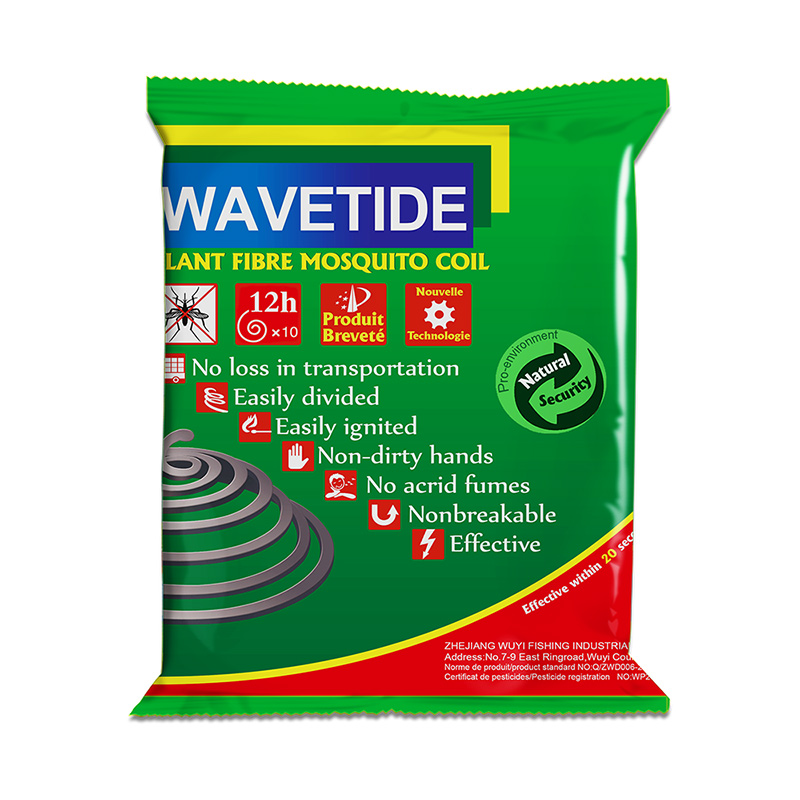

Introduction to Mosquito Coils
Mosquito coils have been a staple in repelling mosquitoes, particularly in regions where these insects pose significant health risks. Originating in the late 1800s, these coils have evolved into a prominent solution for outdoor environments. Despite their widespread use, understanding the science and mechanism behind their efficacy is critical. This article delves into the workings of mosquito coils and evaluates their role in mosquito control.
Active Ingredients in Mosquito Coils
Insecticidal Compounds
Mosquito coils contain active ingredients such as pyrethrum, pyrethrins, or allethrin, which are derived from natural sources or synthesized in laboratories. These compounds are known for their insecticidal properties. The concentration of these ingredients typically ranges from 0.3% to 0.4%, and their primary function is to incapacitate mosquitoes upon contact, reducing their ability to feed or reproduce.
Aromatic Substances
In addition to insecticides, coils often include substances like citronella, known for their mosquito-repellent qualities. These aromatic compounds are particularly effective in confusing and deterring mosquitoes from biting, making them a popular choice among manufacturers.
Mechanism of Action
Smoke Emission and Evaporation
When a coil is lit, it burns slowly, releasing smoke that carries the active ingredients into the air. This smoke covers a specific radius, depending on wind conditions and coil composition. The factory-produced coils are designed to ensure a consistent release rate, allowing the ingredients to evaporate and disperse effectively.
Impact on Mosquito Behavior
The components in the smoke act on the mosquito’s nervous system, leading to paralysis or repellence. Some studies suggest that smoke emissions from a single coil are comparable to burning 75 to 137 cigarettes in terms of particulate matter. Despite this, their localized effect is a key factor in reducing mosquito presence.
Efficacy in Mosquito Prevention
Performance Metrics
Field studies have shown that burning mosquito coils can reduce biting rates by over 50% in areas of minimal wind interference. The effective range varies, but coils generally provide protection for areas within a radius of 2 to 3 meters.
Limitations in Effectiveness
While the efficacy of mosquito coils can be significant, their performance is impacted by environmental factors such as wind, which can disperse the smoke beyond effective levels. Suppliers are continually researching ways to enhance the coil's effectiveness in these conditions.
Safety and Health Concerns
Exposure Risks
The majority of safety concerns revolve around the inhalation of smoke and its long-term health effects. Studies indicate that regular exposure to coil smoke could pose respiratory risks, although significant health impacts have yet to be conclusively determined. It's generally advised that coils be used in well-ventilated areas.
Guidelines for Safe Use
To maximize safety, it's recommended that users follow specific guidelines: burning coils outdoors, ensuring they’re placed on non-flammable surfaces, and keeping them out of reach of children and pets.
Proper Usage and Safety Guidelines
Usage Recommendations
For optimal performance, mosquito coils should be used in areas with minimal air movement. Manufacturers suggest placing coils on stable surfaces and utilizing holders to prevent fire hazards. Products are labeled with instructions to ensure consumer safety and efficacy.
Preventative Measures
Suppliers advise following preventative measures such as covering exposed food and removing debris that might catch fire. Additionally, households should incorporate complementary mosquito control methods for maximum protection.
Environmental and Health Benefits
Natural Ingredients
The use of natural insecticidal compounds offers an environmentally friendly approach to mosquito control. Manufacturers aim to balance efficacy with ecological considerations by using biodegradable and naturally sourced materials.
Reduced Disease Transmission
By reducing mosquito bites, coils play a role in decreasing the transmission of mosquito-borne diseases such as malaria and dengue fever. This is particularly significant in tropical regions where such diseases are prevalent.
Alternatives to Mosquito Coils
Complementary Devices
Alongside coils, there are numerous alternative mosquito repellent solutions, such as electric repellent devices and wearable repellents. These products, supplied by different factories, can offer extended protection, especially in enclosed spaces.
Other Mosquito Control Methods
For comprehensive mosquito control, combining coils with other methods, like screen enclosures, natural repellent plants, and chemical sprays, can be more effective. Suppliers and environmental experts recommend integrated pest management strategies to effectively reduce mosquito populations.
Innovations in Mosquito Repellent Products
Advancements in Coil Design
Recent innovations have focused on improving the burn rate and efficiency of coils. Factories now produce coils with modified shapes and sizes that allow for longer burn times and greater coverage area.
New Active Ingredients
Research is ongoing into new active ingredients that provide better efficacy with reduced smoke emissions. Manufacturers are exploring options that maximize mosquito repellence while minimizing potential health hazards.
Conclusion: Balancing Efficacy and Safety
Mosquito coils remain a valuable tool in the fight against mosquito-borne diseases. By understanding their composition, mechanism, and appropriate usage, consumers can effectively employ these tools to protect themselves. Balancing effectiveness with potential health and environmental impacts is crucial, with manufacturers continually striving for improvements.
Chief Provide Solutions
Addressing mosquito control requires a multi-faceted approach. Users should employ a combination of mosquito coils, topical repellents, and preventative measures to optimize efficacy. Manufacturers and suppliers are committed to evolving their products to meet safety and environmental standards. Innovations in design and active ingredients are paving the way for safer, more effective mosquito control solutions in the future.
User hot search: Best Mosquito Coil